How to Set Up Bleed and Trim for Wholesale Stationery Printing

How to Set Up Bleed and Trim for Wholesale Stationery Printing
When it comes to professional stationery printing, few file preparation mistakes cause more production delays, reprints, and unexpected results than improper bleed and trim setup.

Whether you’re designing wedding invitations, greeting cards, personalized stationery, notecards, calendars, wrapping paper, direct mail pieces, or marketing materials, understanding bleed and trim is essential for achieving clean, professional results.

Many designers spend hours perfecting artwork only to discover that important design elements are cut off or white edges appear around the finished piece. Fortunately, these problems are easy to avoid once you understand the fundamentals of print production.

At StationeryHQ.com, we help thousands of graphic designers, stationery brands, wedding professionals, Etsy sellers, print brokers, and creative agencies prepare print-ready files every year. This guide explains everything you need to know about setting up bleed and trim correctly for wholesale stationery printing.


What Is Bleed in Printing?

Bleed is the portion of artwork that extends beyond the final trimmed size of a printed piece.

After printing, cards, invitations, and stationery products are trimmed down to their finished size. The bleed area ensures that color, images, and background elements extend all the way to the edge after trimming.

Without bleed, even a tiny shift during trimming can result in unwanted white borders.


What Is Trim Size?

Trim size is the final finished size of your printed product after cutting.

Examples:

ProductFinished Trim Size
A2 Flat Card4.25″ x 5.5″
A6 Flat Card4.625″ x 6.25″
A7 Invitation5″ x 7″
5×7 Greeting Card5″ x 7″
Letter Sheet8.5″ x 11″

The trim line represents where the printer intends to cut the finished piece.


What Is the Safety Zone?

The safety zone is the area inside the trim line where important content should remain.

Important elements include:

  • Names
  • Addresses
  • Logos
  • Dates
  • RSVP information
  • QR codes
  • Contact information

Keeping these items away from the trim edge helps prevent accidental cutting.


Understanding the Three Critical Lines

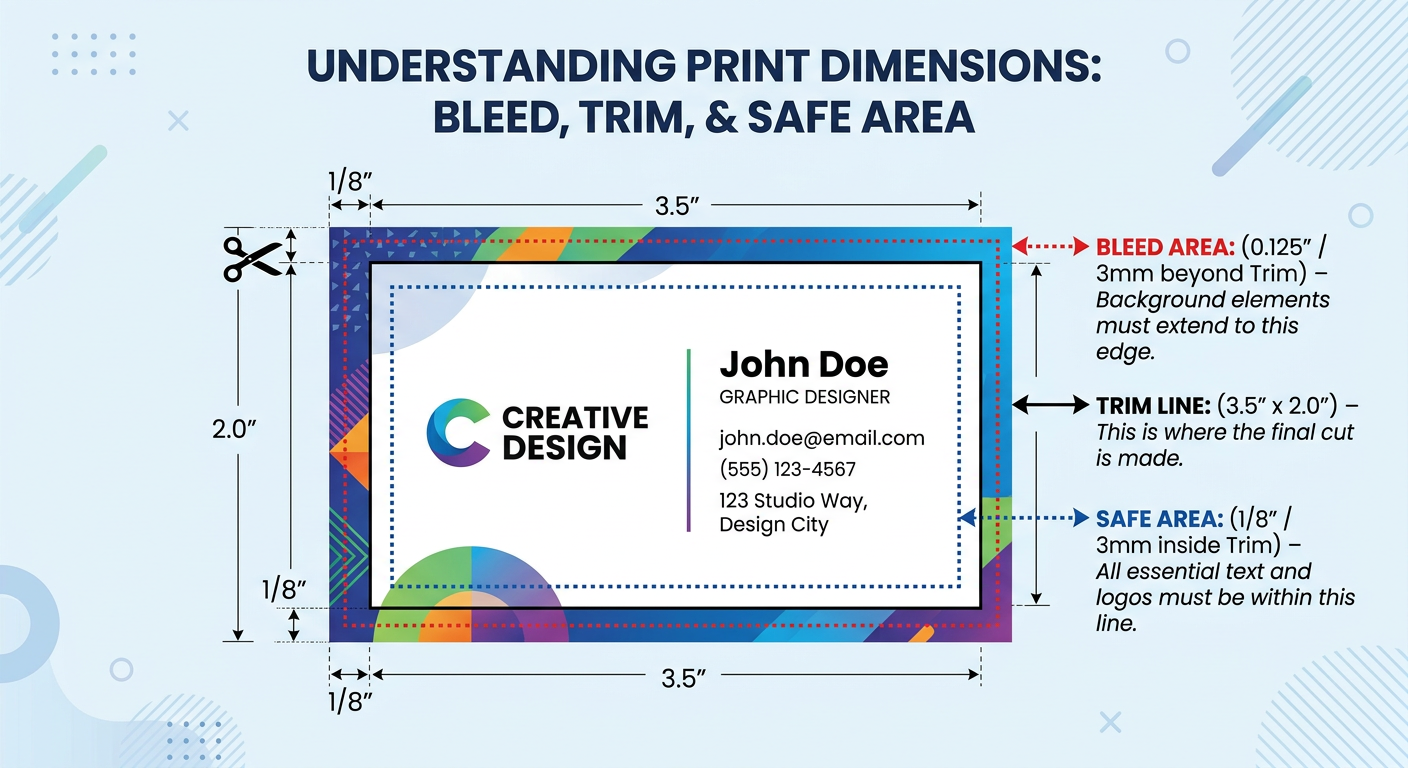
Every professional print file contains three zones:

Bleed Area

Extends beyond the trim line.

Trim Line

Represents the final cut size.

Safe Zone

Protects critical content.

Think of it like this:

Bleed┌──────────────────┐│ ││ Safe Area ││ Trim ││ │└──────────────────┘

Each area serves a specific purpose in the production process.


Why Bleed Matters in Wholesale Printing

Many wholesale stationery products feature:

  • Full-color backgrounds
  • Edge-to-edge photography
  • Watercolor artwork
  • Patterns
  • Graphic elements

Without bleed, slight cutting variations can expose unprinted paper along the edge.

This issue becomes especially noticeable on:

  • Dark backgrounds
  • Solid color fills
  • Full-bleed photography

Bleed eliminates this risk.


Standard Bleed Requirements

Most commercial printers require:

0.125″ (1/8″) Bleed on All Sides

For example:

Finished A7 Invitation:

5" x 7"

Add bleed:

5.25" x 7.25"

This larger document includes the bleed area that will be trimmed away during production.


Example: Setting Up an A7 Invitation

Finished Size:

5" x 7"

Bleed:

0.125" on each side

Document Size:

5.25" x 7.25"

Safe Area:

Keep critical text at least:

0.125" to 0.25"

inside the trim line.

This provides a comfortable margin of safety.


Common Bleed Mistakes Designers Make

Forgetting Bleed Entirely

The most common error.

Result:

White borders after trimming.


Placing Text Too Close to the Edge

Even if bleed is present, text can still be cut off.

Always maintain a safe margin.


Using Crop Marks Incorrectly

Crop marks help indicate trim locations but do not replace bleed.

You need both.


Extending Some Elements but Not Others

If a background reaches the edge, it must extend into the bleed area.

Partial bleed often creates inconsistent results.


Bleed Setup in Adobe Illustrator

Illustrator makes bleed setup simple.

Step 1

Create a new document.

Step 2

Enter finished size.

Example:

5" x 7"

Step 3

Enter bleed:

0.125"

on all sides.

Illustrator automatically creates bleed guides.

Step 4

Extend backgrounds and images beyond the trim line to the bleed guide.

Step 5

Export as PDF with bleed enabled.


Bleed Setup in Adobe InDesign

InDesign is one of the most widely used applications for stationery production.

During Document Creation

Specify:

Bleed:0.125"

for all sides.

During Export

Select:

Use Document Bleed Settings

when creating the PDF.

This ensures bleed is included in the final print file.


Bleed Setup in Canva

Canva has become increasingly popular among invitation designers and Etsy sellers.

Enable Bleed

Go to:

File → Show Print Bleed

This displays bleed guides.

Export Properly

Choose:

PDF Print

for the highest quality output.

Always verify that backgrounds extend fully beyond the trim area.


Bleed Setup in Procreate

Many stationery artists create artwork in Procreate before moving to print production.

When designing:

Add Extra Canvas Space

If your final card is:

5" x 7"

create artwork slightly larger to account for bleed.

Export at High Resolution

Maintain:

300 DPI

for professional printing.

Verify Final Dimensions

Before exporting, confirm the artwork includes the required bleed area.


Bleed for Folded Cards

Folded cards require special attention.

You must account for:

  • Bleed
  • Trim
  • Fold location
  • Safe zones

This is especially important for:

  • Greeting cards
  • Folded invitations
  • Holiday cards

Professional templates can simplify setup.


Bleed for Wedding Invitations

Wedding invitations frequently include:

  • Full-color backgrounds
  • Floral artwork
  • Watercolor designs
  • Edge-to-edge printing

Bleed is essential for maintaining a premium appearance.

Luxury wedding stationery should never show unintended white edges.


Bleed for Greeting Cards

Greeting cards often feature:

  • Photography
  • Illustrations
  • Decorative borders

Proper bleed setup ensures the final product appears polished and professionally produced.


Bleed for Personalized Stationery

Even simple note cards can benefit from bleed.

Examples include:

  • Colored backgrounds
  • Monograms
  • Border treatments
  • Decorative patterns

Any design element touching the edge should extend into the bleed area.


Understanding Trim Tolerances

No commercial printing process cuts every piece at exactly the same location.

Minor variation is normal.

This is why:

  • Bleed exists
  • Safe zones exist
  • Designers should avoid thin borders

Very narrow borders near the trim edge can appear uneven after cutting.


Why Professional Designers Avoid Hairline Borders

A common beginner mistake is placing a border:

0.05"

from the trim edge.

Even tiny cutting variations can make the border appear uneven.

For this reason, many professional stationers avoid ultra-thin borders near trim lines.


Why Wholesale Printers Require Bleed

Wholesale production environments process thousands of jobs every day.

Standardized bleed requirements help ensure:

  • Consistent quality
  • Faster production
  • Fewer reprints
  • Better customer experiences

Files that include proper bleed move through production more efficiently.


Why Designers Choose StationeryHQ

StationeryHQ supports professional file preparation and printing for:

  • Wedding invitations
  • Greeting cards
  • Personalized stationery
  • Books
  • Calendars
  • Wrapping paper
  • Marketing materials
  • Direct mail products

Our team works with designers, agencies, print brokers, Etsy sellers, and stationery brands nationwide.


Manufacturing in California and Kentucky

StationeryHQ operates production facilities in:

  • California
  • Kentucky

This distributed manufacturing model helps provide:

  • Faster shipping
  • Reduced transit times
  • Nationwide fulfillment
  • Consistent production quality

Wholesale and Print-on-Demand Printing

StationeryHQ offers:

  • Wholesale printing
  • White-label fulfillment
  • Print-on-demand production
  • Shopify integrations
  • Etsy seller fulfillment
  • API integrations for larger brands

allowing designers to scale without managing inventory.


Frequently Asked Questions

What is bleed in printing?

Bleed is artwork that extends beyond the final trim size to ensure edge-to-edge printing after cutting.

How much bleed should I use?

Most commercial printers require 0.125″ (1/8″) bleed on all sides.

What happens if I don’t include bleed?

White borders may appear along the edge after trimming.

What is the safe zone?

The safe zone is the area inside the trim line where important content should remain.

Should text extend into the bleed?

No. Only background elements and artwork should extend into the bleed area.


Final Thoughts

Understanding bleed and trim is one of the most important skills in professional print design. Proper file setup ensures your invitations, stationery, greeting cards, and marketing materials print exactly as intended while minimizing production issues and delays.

Whether you’re creating wedding invitations, personalized stationery, holiday cards, direct mail campaigns, or branded collateral, following professional bleed and trim standards will help you achieve clean, polished, edge-to-edge results every time.

At StationeryHQ, we help designers and brands produce premium printed products with professional-quality file preparation, advanced digital printing technology, and nationwide fulfillment from facilities in California and Kentucky.

To Sleeve or Not to Sleeve, That is the Question

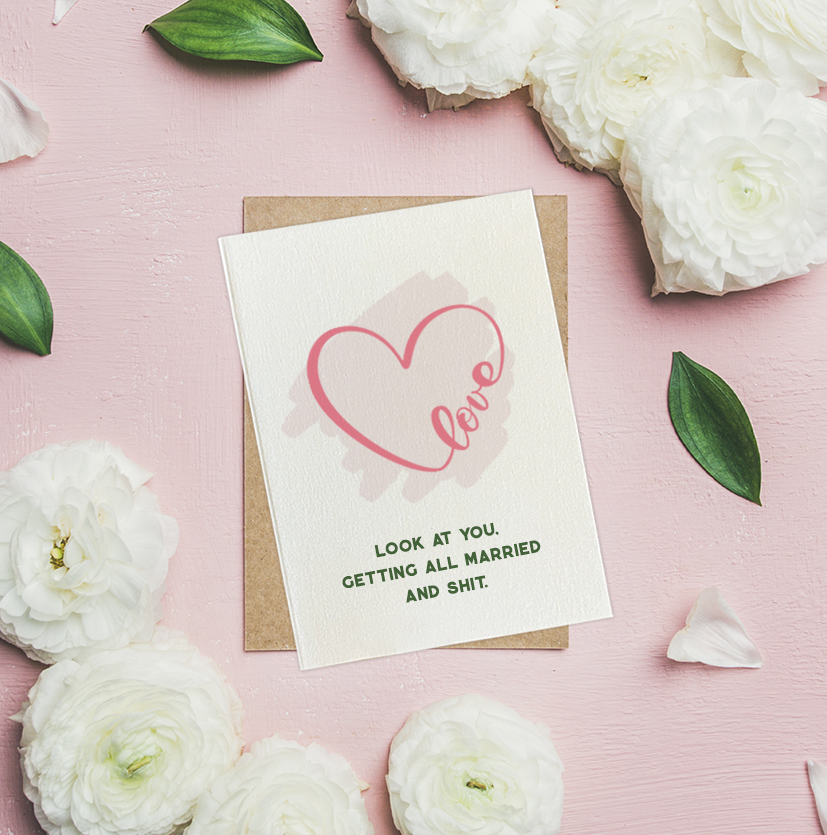
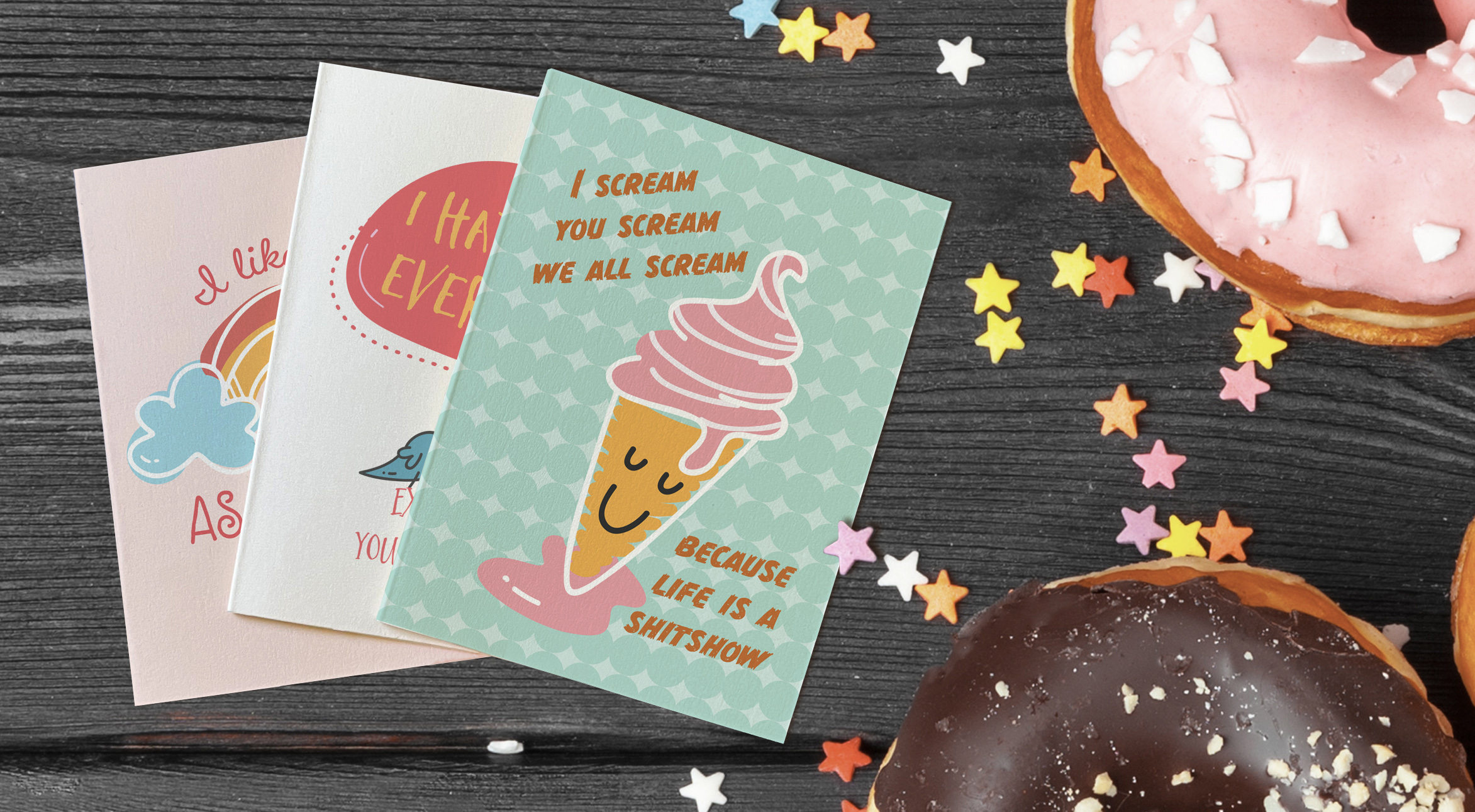
Biatch card by Kitty Meow and Chalkboard card by Blue Barnhouse

On a recent panel discussion for GCA (if you’re not a member, check it out – this org does a TON for the stationery world) about processes and products in our industry, we touched on the topic of using cello sleeves with greeting cards that are sold in brick and mortar stores. Like, real stationery shops. Which I love. So so much. They have beautiful cards… and notebooks…. and Blackwing Pencils…. But I digress.

About half of the attendees said that their customers at the retail shops require a cello sleeve because it elevates the perceived value of the card, prevents finger prints from card lovers, and keeps the envelope with the correct card. It also creates continuity in their displays. All legitimate reasons.

But you all know about the extra cost, labor and material waste that cello bags add to your product. I personally have had the pleasure of stuffing thousands of freaking (beautiful) cards with envelopes into a sleeve and it gave me mad road rage. Even in a groove, it takes a lot of time. And you don’t want to pre-sleeve too many cards at a time in case they don’t sell and then you’ve wasted extra time and materials. The cello sleeve thing is a dilemma.

Here’s the thing, I remember a time when cards did NOT come in cello bags. In fact, there are some brave designers at the forefront of the issue who are straight up refusing to do it, allowing customers to enjoy the feel of a heavy cotton paper or the depth of a beautiful letterpress design. And to see the inside of the card, which most of us card whoreders want to see.

So how do you make your retailers happy and keep your signature envelope with your gorgeous card?

Here are some suggestions that came up in our talk:

  • Design the envelope to correspond with the card, include your brand on the flap – the big dogs in stationery do this why shouldn’t you? Yes, it’s extra design work. It’s also brand building and if someone takes your envelope for another card, at least your logo is on it. You can print envelopes in small quantities and of course it’s a bit more than a blank envelope but balances out the cost of the sleeve and the labor to sleeve your cards. This also helps alleviate the nightmare when your special envelope is not available, credit for this idea goes to Susan from Leader Paper and I LOVE IT.
  • Removable wraparound labels are out there now, sometimes referred to as Card Clasps. They are cute little labels that can be printed with your logo and wrap around the open edge of the card and stick to the front and back. Some papers/inks can be damaged with these so you’ll definitely want to test the options. We don’t make these (yet) but we’re looking into it.
  • Charge Extra for cello bags and see if your retailers still need them. And if they do, just boxed them in the order and let the retailer sleeve the cards when they get put on the rack.
  • Get Naked. Phil from JS McCarthy enlightened us that in Europe there is a movement to lose the cello sleeve and they’re calling the movement ‘Naked Cards’ because it’s accurate and they’re hilarious. This is where the revolution comes in – if y’all decided to just quit providing them you could undo the current standard. It might be bumpy for a minute but that’s always true when you’re doing something bold.

Please let us know if you have suggestions or materials that are working for you, we’re always looking for ways to improve our products and services. And if someone wants to design me a shirt that says CARD WHOREDER, I’d wear the heck out of it 😉

Also please send an email to info@stationeryhq.com with any ways we can help your business grow. We s

White Space

Mini Folded Cards: Smaller than a donut and twice as sweet.

Don’t you just love little stuff? Babies, tiny notebooks, bite-sized sweets…

We added custom printed mini cards to our site because, well, our customers asked us to. If you’re wondering what you might do with cute little cards, we’ve got some suggestions (btw, we’ve ALWAYS got suggestions).

How about a little set of various ‘Just Because” cards? Perfect for a last minute gift or to include with flowers for a friend. You could create a set of 5 or 10 different designs, your customers would love it.

A wittle baby wedding or shower card is irresistible….

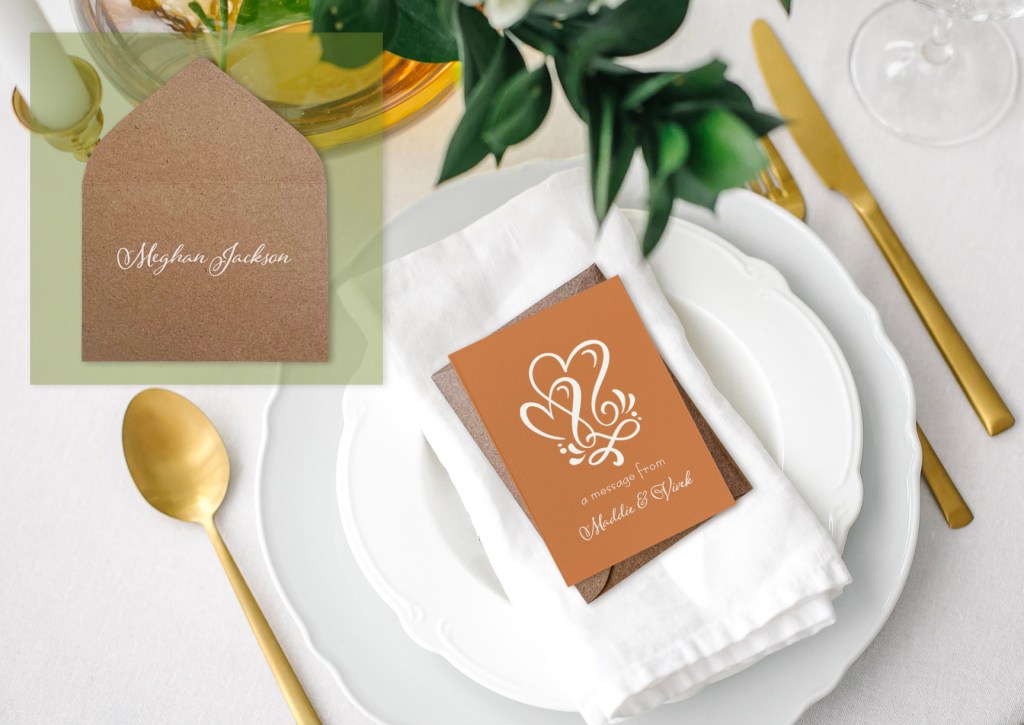
These little babies are great for weddings/showers too – as greeting cards or notes for guests. And how about white ink calligraphy on the cute little kraft envelopes as place cards at the table? Genius, amirite?

Custom printed mini note cards used as place cards at a wedding table with white ink calligraphy on the kraft envelopes.
Pre-print the message on the inside or have the happy couple write a little note to their guests. Do whatever you want, you’re the designer.

And don’t even get me started on gifting occasions like birthdays, anniversaries and holidays. The possibilities are endless – find out how to create your own mini folded cards here!

Also please send an email to info@stationeryhq.com with any ways we can help your business grow. We succeed together.

Holidays 2021: Three Custom Printed Stationery Products to Add to Your Collection

Honestly, I have about eleventeen new favorites but in an effort to keep this post short and sweet for all of us, I’ve narrowed it down to three products that are growing fast and helping stationery designers increase their sales.

But first, a little business tip. AOV stands for Average Order Value. This number goes up and down depending on what is being sold. Let’s say a designer typically sells a set of 10 cards/envelopes for $14.95 so that’s the AOV. Now let’s say that designer starts to offer a set of custom stickers with a return address and design that coordinates with the card set for an additional $6.95 so that same order goes up to $21.90. Same number of customers, same marketing cost but now the AOV is significantly higher. Multiply the difference by the number of orders every month and your revenue stream has gone up without a huge amount of work. So with that in mind, here are products that I love that I think customers will love too.

CUSTOM PRINTED WRAPPING PAPER

Custom Wrapping Paper Sheets
Amazing custom printed holiday wrapping paper design by Offensive_Delightful

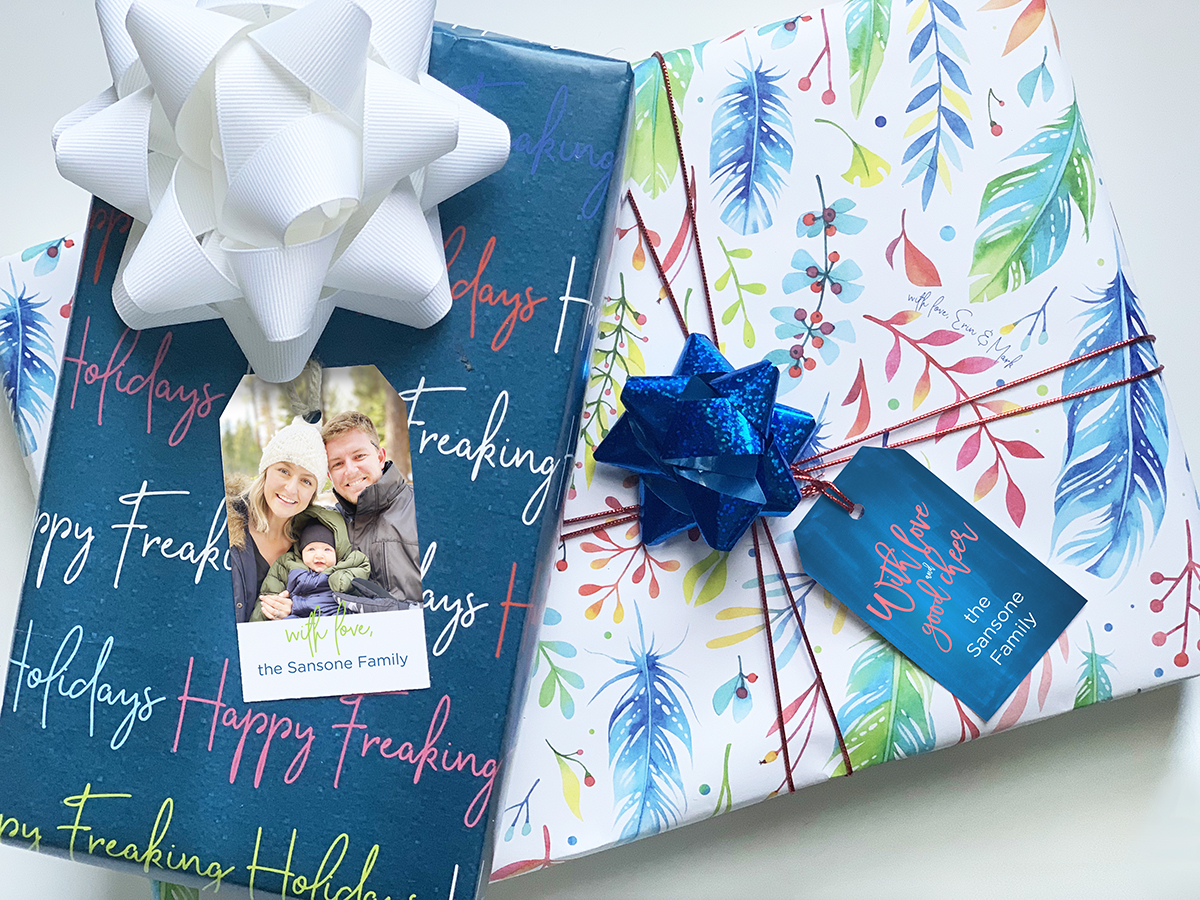
Wrapping paper is our fastest growing product, makes sense that customers who like your stationery designs will also love your wrapping paper designs. The examples here are not personalized, but they could have a family name and specific holiday message for those who really love everything personalized.

Wholesale Custom Wrapping Paper, printed on demand
Double Sided Wrapping Paper Sheets, Custom Printed on Gloss Paper

Custom printed wrapper paper comes in sheets (5 sheets per set) or rolled (single rolls). To get details about size, stock and costs, go to Custom Wrapping Paper. Make sure that you are logged into your account if you are a creative professional so you can see the wholesale pricing.

STICKERS

It’s hard to believe that stickers are in my top three but they are very on trend, very low cost and very easy to add to a sale. Custom Printed Stickers come in circles, squares, and rectangles. My favorite are the 2″ round stickers, they are a great price – under $5 for 20 stickers and you can upload up to 4 original designs. And I don’t have to make sure they’re straight when I put them on an envelope or package 🙂

Custom Printed Stickers Wholesale
Personalized stickers, custom printed on demand.
Beverage Label applied as a jar label for holiday treats with a custom design.

CUSTOM PRINTED MAGNETIC HOLIDAY CARDS

Family photos with a simple message are still a top trend in holiday cards, why not offer them as a magnet? Make it easy for recipients (like me) who love to display all the holiday cards with a cute photos of kiddos, doggos and families. Magnetic cards come in A7, A2, and 4 Bar. Learn more about them here.https://www.stationeryhq.com/collections/magnets

Custom Printed Magnetic Holiday Card
Custom printed magnetic holiday card.

Also please send an email to info@stationeryhq.com with any ways we can help your business grow. We succeed together.

The Best Way to Create Custom Wrapping Paper

Custom wrapping paper is all the rage right now and you can create your own if you know how to create a high res file. There’s a bit of a learning curve to creating a large pattern of artwork as opposed to creating a custom printed card. Here are a few helpful tips:

Print on Demand Wrapping Paper
Custom Wrapping Paper Wholesale for Creative Pros
  1. Consider whether you want a pattern to be static or “tossed.” A tossed pattern has the graphic turned in multiple directions so that no matter how someone is viewing a wrapped gift, some of the pattern is right-side-up. A static pattern is all one direction and is easier to create.
  2. Make the graphics smaller than you think they should be. When creating a large file (20″ x 29″ for wrapping paper sheets, 30″ x 72″ for rolled wrapper paper) you’ll be viewing at about 30% (or less) of actual size so the pattern will look tiny. Be sure to occasionally view at 100% or better yet, print out a section of the design at full size so you can see how big your artwork will look when it’s custom printed.
  3. If you’re using any images, reduce the file size in photoshop before using it on your art file. If you repeat an image that’s 5MB dozens of times on a sheet the file will get huge and slow down your work. A rough size of 2″ x 2″ at 150dpi is plenty big enough for digital printing.
  4. Stay away from big fields of solid color without any graphics, on a large sheet this tends to have streaks. Breaking up the background with a pattern and color variations will get you a better printed result.
Tossed pattern for print on demand wrapping paper.
Example of a tossed pattern with varying graphic sizes.

You can find rolled wrapping paper printing and custom printed wrapping paper sheets on our site, create an account to get wholesale pricing if you’re a creative pro: https://www.stationeryhq.com/collections/wrapping-paper-sheets

Wrapping paper printing is available on gloss or matte paper for sheets and uncoated bond for rolled wrapping paper with your design on it.

We would love to hear your ideas on how we can help you grow your business. Please email info@stationeryhq.com with your suggestions.

Should you attend an industry conference?

Part of my job as the Creative Director at StationeryHQ.com is to find ways to support our customers while they build their dreams. We do that by offering products at wholesale prices, with quick delivery and stellar quality. But we also support our favs by shopping at their stores when we need a gift or card and supporting the organizations that support our customers.

I’ve been following the Dream Team at Creative@Heart for awhile and love the work they do and the helpful resources they provide for creative entrepreneurs. When I saw the notice that they were hosting their annual conference both live and virtually, I hoped we’d be able to help out. And I hoped I’d be able to attend because, YES YOU SHOULD ATTEND INDUSTRY CONFERENCES.

Obviously this depends upon health risks and COVID numbers, that goes without saying. But someday we’ll be on the other side of the pandemic and it will be our opportunity to soak up all the good things that come from being in a room full of your peers.

It’s been a few weeks since the conference and I continue to be affected by what I learned and the people I met while I was there.

One of my big takeaways from the beautiful event set in Bermuda Run, North Carolina, is that your peers understand your challenges better than anybody. The things that you think are unique to you are also “unique” to so many others who have similar goals and aspirations. There’s nothing quite like that feeling you get when a speaker seems to be talking directly to you. Where you’re like, “GET OUTTA MY HEAD HOW DO YOU KNOW THIS ABOUT ME???” And then you look around the room and see a bunch of other astounded faces thinking the exact same thing. These are your people. They show you that you’re not alone and together you can create solutions to overcome just about anything.

What it looks like when the speaker is sharing the thing you needed to hear.

Every time I attend a workshop or conference in the creative space I am reminded that is that there is ALWAYS something to learn and I can learn from everybody in the room. Speakers at events are experts in their fields and have that thing a person needs to possess in order to think it’s “fun to stand up and talk to a room full of people.” They share their experience, research and wisdom. Soaking up this information in person is different than listening to a podcast or reading a book (which are great ways to learn, I do both constantly). There’s something about the energy in a room full of people who want to learn that adds gravity to the information and helps it stick long after you’re home. Not to mention a ready-made group who is enthusiastic about dissecting the topic immediately afterward.

But speakers aren’t the only people with experiences and knowledge to share. I’ve created lifelong friendships with people I met at the HOW Mind Your Own Business conference a hundred years ago. They’ve helped me solved problems, listened to me bitch and moan and celebrated the wins with me. And I’ve done the same for them, they are my people.

The Creative@Heart conference is focused on Creative Entrepreneurs so the content ranged from topics about the mechanics of running a business – from social media tips to the importance of customer service and everything in between. There was also a lot of attention given to mindfulness, self-care and asking for help when you need it. While running your own business has lots of perks, it can also be exhausting.

What still resonates with me now that I’m back home in California is that having a support system is crucial, both for your business and for your mental health and well being. That support system can be friends and family, peers you met at a conference or partners who do the work they’re good at so you can do the work that you’re good at. The sooner you unload whatever is dragging you down, the sooner you spread your wings and fly.

I’m inspired by the new friends I made and motivated by the information I gathered at this well organized and beautifully designed event– can’t wait for the next one!

Product Hacks

Just because it’s called a “Growth Chart” doesn’t mean you can’t use it as a wedding sign. Or a shop banner that says “SALE”. Or just really cool wall art.

Vertical banner with ribbon and dowel for hanging. Custom printed on canvas.

And if you haven’t ordered stickers yet, you might be missing a big opportunity. They are crazy inexpensive with your wholesale discount and the print quality rocks. Here are a few ways that creative peeps have been using them.

And don’t even get me started with rolled wrapping paper options! It’s a big, long (72″ x 30″) piece of paper and you can order just one roll with your design on it. It’s perfect for signage, put it on a table for a themed event and of course, wrap stuff with it 🙂

Our DIY sheets can be used any way you want. Create an art print, or an event sign. Or load up your table number signs onto one sheet and we can cut them or you can cut them. Design an organic shape and include a trim line for yourself. Do whatever you want, you’re the designer 😉

We would love to hear your ideas on how we can help you grow your business. Please email info@stationeryhq.com with your suggestions.

Resources for Creative Business Owners

Running your own business is pretty great. You get to call the shots, choose the people you work with, and do the kind of work that makes you proud. You also get to be the accountant, the project manager, the janitor, the IT person, and the sales person. That’s a lot of freaking hats to balance on one head that really just wants to create beautiful things. Good thing you have all that grit.

Here’s what I know about running your own joint: it can only grow if you can let some things go and get help where you need it. There are things that are wholly dependent on you (goal setting, building a culture and team for example) and there are things best left to professionals so you can focus on what you need to do to conquer the world.

There are some excellent resources out there, following are some of my favs:

Creative at Heart Conference – it’s a conference but the educators behind the event offer year round resources for all things Creative Entrepreneur. The founders are totally our people.

Biz Birthday Bash – a super duo with a brilliant podcast and resources for “Making Biz Strategy a Piece of Cake for Paper People.” They have some free resources and some you can buy, including an A to Z directory of providers.

Lisa Congden – if you want to hone your craft or learn something new from an amazing illustrator/designer, check out these classes. You can also listen to The Lisa Congden Sessions on Apple Podcasts. I’m a major LC fangirl, she’s a boss.

Steve Morris – an agency builder, a brand aficionado and next level thinker in our industry. I have the privilege of calling him a friend and mentor and I never get tired of reading his writing about creating a beautiful business and brand. This links to his blog if you’re looking for inspiration from a giant in the branding field.

David Baker – a consultant and guru to creative firms. I hired him a thousand years ago to analyze my agency and help me fix it. He did, to the tune of over $150,000 of additional revenue the following year without hiring more people or working more hours. He’s a somewhat surly, no BS smarty who has helped thousands of creative firms realize their potential. Go to the insights section of his website, I promise you’ll learn something there.

LinkedIn/Learning – If you haven’t spent much time on LinkedIn, you may not know that have TONS of excellent courses in business, design, illustration, and whatever else you want to learn. You can start with a free month and if you want to continue you’ll have to sign up for the $19.99 monthly subscription fee. I learned some mad Photoshop and Premiere Pro tricks through LI.

StationeryHQ.com – if you need something printed and shipped straight to your customer, because, duh.

Wedding Paper Trends for 2021

2020 brought us a new product called a Change the Date, which really sucked for everybody involved. The good news is that weddings will make a comeback in 2021 and we’re here for the personal vibe that’s trending. Industry experts like The Knot are calling 2021 the year for Micro Weddings. That’s a small, more personal event but a big celebration with new and old traditions we love.

What does this mean for wedding stationery designers? It means a great opportunity to use customized design in your invitation suites, signage, favors and whatever else you create using your big ideas and our custom printing processes. And remember to login or create an account for wholesale pricing for creative pros.

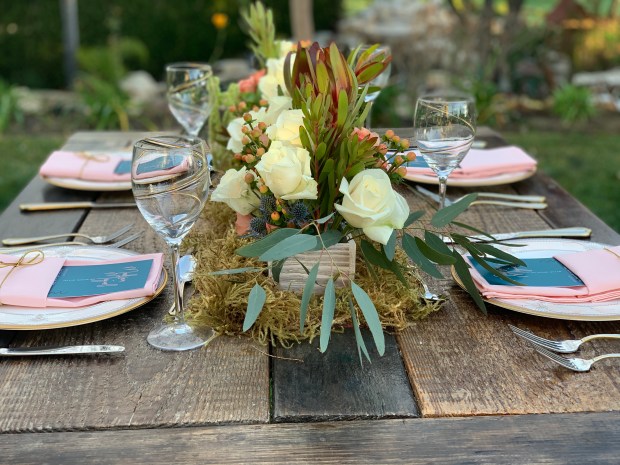
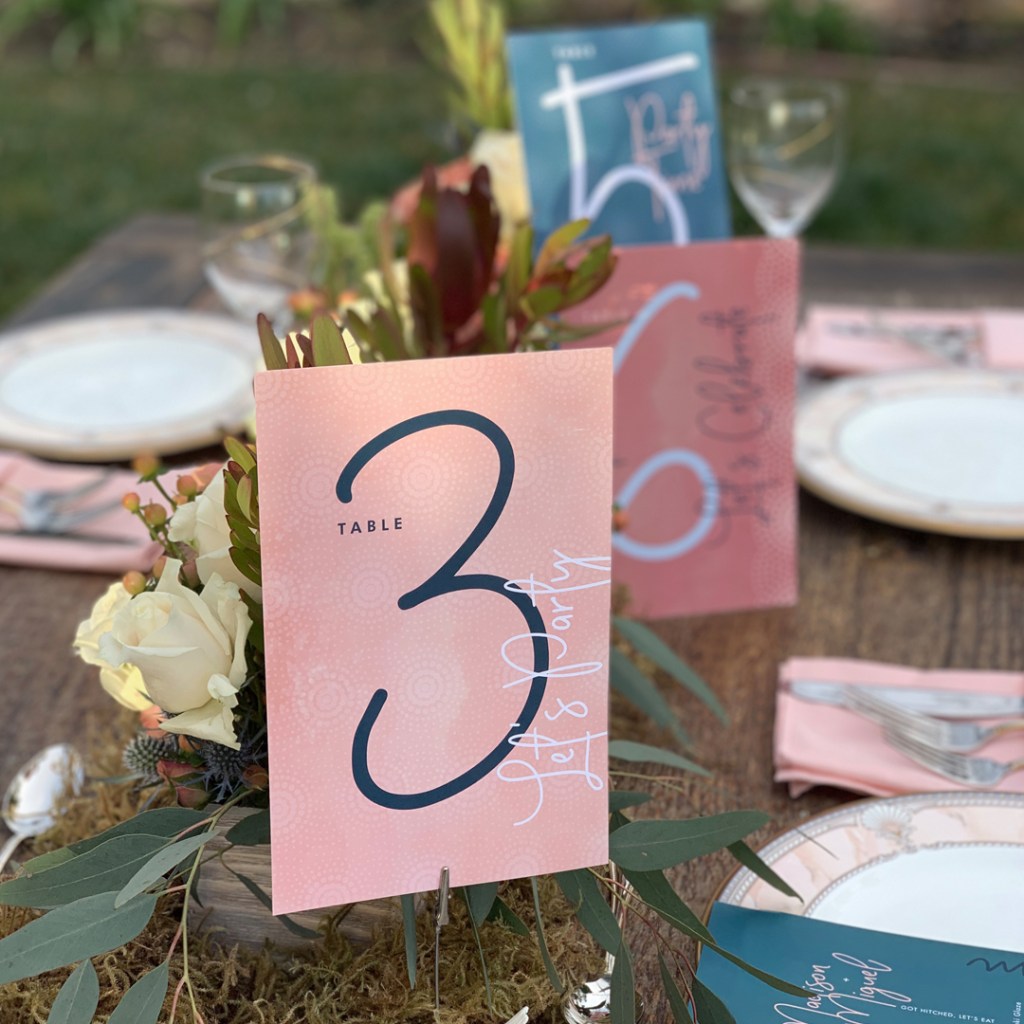
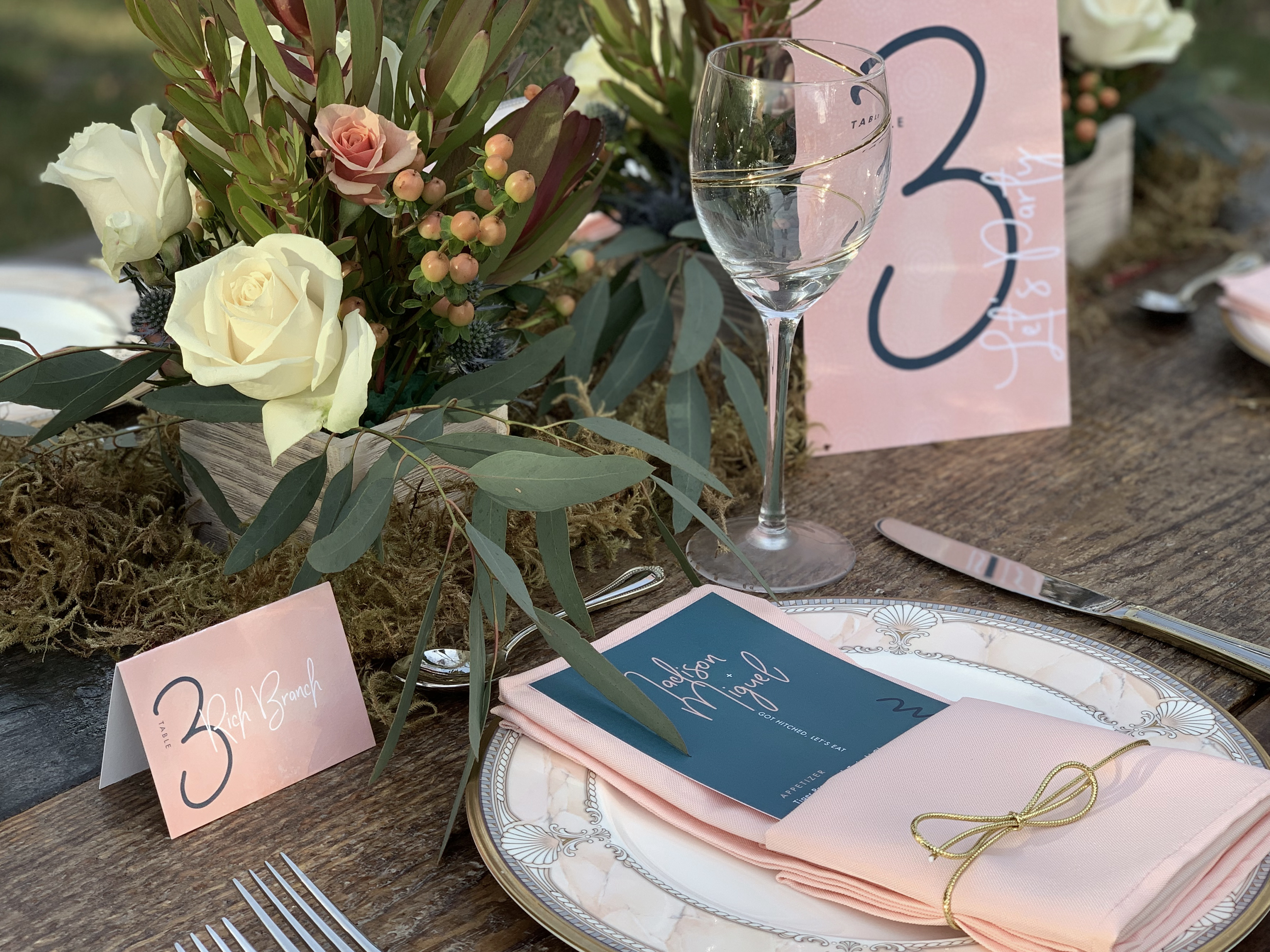
This #10 flat card is elegant on a plate OR in tucked into a napkin.

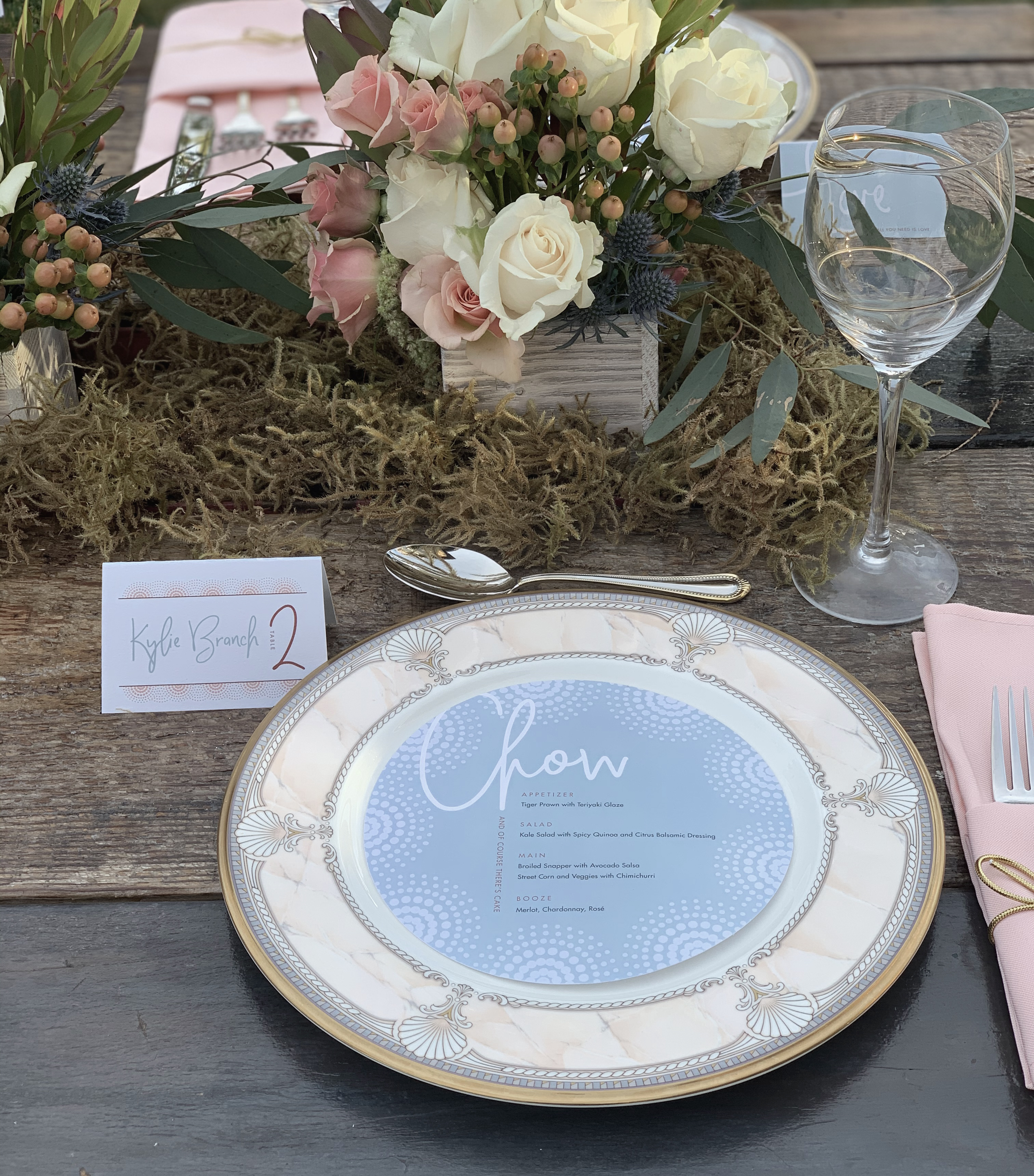
Or choose our 6″ Round Die Cut for your menu for a little whimsy.

Keep in mind that with smaller crowds at weddings, it’s easier than ever to add designer touches and personalized paper accents. Brides and grooms will love the pieces that reflect them and their relationships. Look for more whimsy, humor and intimacy in wedding design for 2021. And don’t forget about sustainable paper, that will be important to your clients. We currently carry Recycled Cotton T-Shirt (actually mad from…wait for it… recycled t-shirts), Bamboo, Hemp and 100% Smooth Post Consumer Waste in most sizes and products.

Here’s to love and celebrating in 2021 – cheers!